
How Can I Tell If I’m Having A Heart Attack?
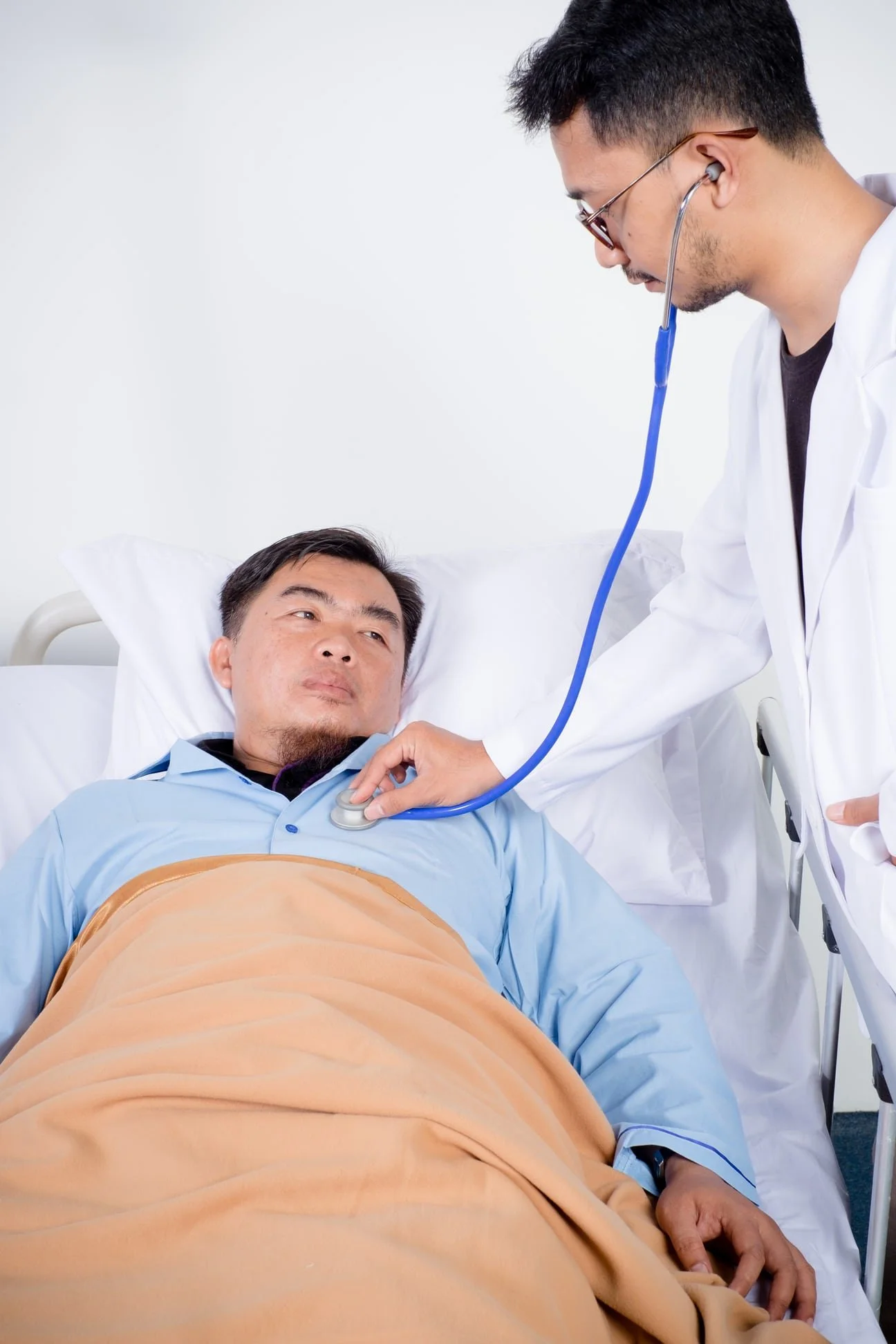
Many of us will be thinking of “ hearts” on the 14th of February. Rightfully so . We all want a joyful heart. We all want a loving heart. We all want a healthy heart.
There’s been alot written about the signs and symptoms people experience when having a heart attack. But would you really be able to tell if you were having one? According to Dr Mehmet Oz of Oprah fame, fifty percent of people having a heart attack have no symptoms, especially women. Post-menopausal women are at higher risk but are often misdiagnosed. They are told it is acid reflux or stress. Women whose symptoms are dismissed by one doctor should be sure to get a 2nd and if necessary a 3rd opinion until someone can find out what’s going on.
The medical term for heart attack is Myocardial Infarction or MI. It actually means “irreversible damage to or death of heart muscle when blood flow to a section of the heart muscle becomes blocked”. That is what happens when a person has an MI. Part of their heart muscle dies or is badly damaged. The extent and location of that damage will determine what the patient’s expected outcome will be. Some heart attacks are mild. Some are widow-makers.
Some heart attacks have a sudden and intense onset and there is no doubt what is happening to your body. However, most MI’s have a more gradual onset and people tend to wait longer (on average 3 hours) before seeking help because they are not sure what is happening. They can’t tell if they pulled a muscle, are having heartburn, or getting the flu. They just don’t feel well. Men tend to deny symptoms and therefore they delay early diagnosis and treatment that can be life saving. As a result, they have higher rates of morbidity (sickness) and mortality (death) which are oftentimes directly related to the denial of symptoms.
Symptoms include , but are not limited to: Chest Discomfort – uncomfortable pressure, squeezing, fullness or pain. Discomfort in other areas of the upper body – pain, burning, aching, or discomfort in one or both arms, the back, neck, jaw or stomach. Shortness of breath – with or without chest discomfort. Other signs include breaking out into a cold sweat, nausea (feeling sick to your stomach), vomiting, lightheadedness, indigestion, or a feeling of fullness, weakness, rapid or irregular heartbeat.
Women may have different symptoms than men: The most common symptom experienced by women who are having a heart attack is chest pain. However, women are more likely than men to experience some of the other common symptoms such as shortness of breath, nausea/vomiting, and back or jaw pain.
Keep in mind that symptoms may come and go or be constant. The discomfort may be in one or more areas of your body or it may start in one area and move to another. You may have just one symptom or multiple symptoms. If you have had a previous heart attack, the symptoms of a 2nd attack can be exactly the same or totally different.
When to call 911: If your symptoms do not completely disappear in less than 5 minutes, call 911. Calling 911 is the fastest way to get life-saving and heart-muscle saving treatment. Emergency personnel begin treatment as soon as they arrive at the scene, up to an hour sooner than if someone is being driven to the emergency room by car. Time is precious when you are having a heart attack. Every minute counts when it comes to life-saving or heart muscle saving treatment. Many heart attacks are accompanied by dangerous heart rhythms that can be treated by trained EMS personnel if they occur on the way to the hospital. Always call 911 if you suspect you are having a heart attack. You wouldn’t want to cardiac arrest in the back of someone’s car!
As with most medical conditions, the earlier the diagnosis and treatment, the better the outcome. Do not ignore or deny symptoms. Communicate with your primary doctor if you are experiencing any sort of symptoms and have them checked out immediately. Be aware that diagnostic tests cannot always predict future heart problems. You can reduce your risk for heart attack by losing belly fat, controlling high blood pressure, and controlling cholesterol levels. You owe that to yourself and to your family.